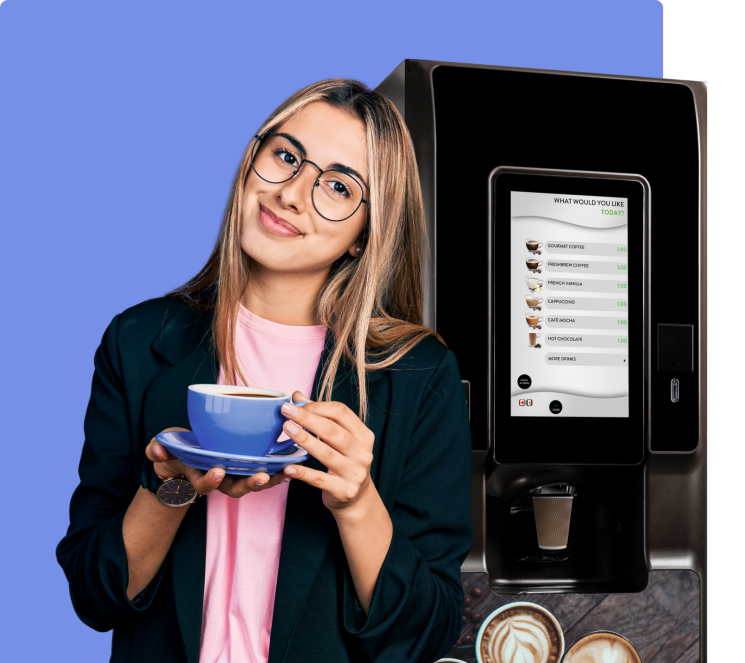
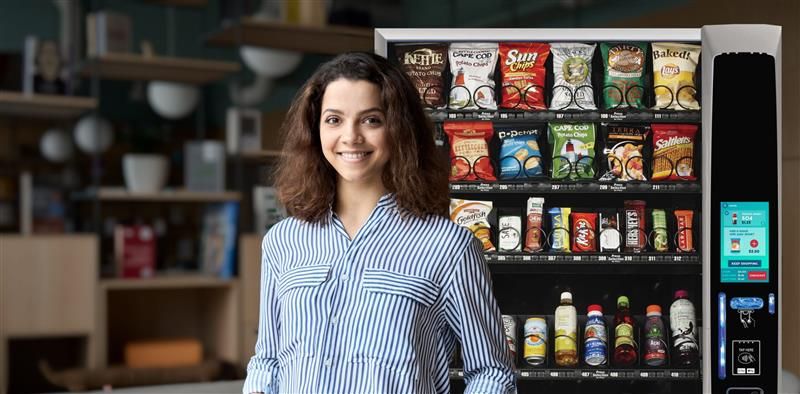
When most people think of vending, they picture a snack machine tucked into a breakroom or a soda dispenser in a public space. But vending today is far more than that—it’s a key component of the convenience services industry, a dynamic and growing sector that includes micro markets, office coffee services, self-service kiosks, and unattended retail environments. Understanding how vending fits into this broader ecosystem is essential for operators, facility managers, and workplace experience leaders looking to deliver smarter, more seamless refreshment solutions.
What Are Convenience Services?
The convenience services industry refers to a wide range of unattended retail and refreshment solutions designed to meet consumer needs in workplaces, campuses, healthcare settings, and public spaces. These include:
- Vending machines
- Micro markets
- Office coffee and pantry services
- Water filtration systems
- Self-service kiosks
According to the National Automatic Merchandising Association (NAMA), this industry generates over $25 billion annually in the U.S. alone. It’s driven by consumer demand for fast, frictionless access to food, beverages, and essentials—without the need for staffed operations.
Vending’s Role Within the Ecosystem
Vending is often the entry point into convenience services. It offers:
- Automated delivery of products with minimal footprint
- Secure transactions and inventory control
- Scalability across diverse environments
Modern vending machines are no longer limited to chips and sodas. They now feature:
- Cashless payments and mobile integrations
- Dynamic promotions and loyalty programs
- Real-time telemetry for remote management
- Personalized interfaces and product variety
This evolution means vending can now match—or even exceed—the performance of more complex setups like micro markets, while offering better control and lower operational overhead.
Why the Distinction Matters
Recognizing vending as part of the convenience services ecosystem helps:
- Operators position their offerings more strategically
- Workplaces design integrated refreshment experiences
- Consumers enjoy seamless, tech-enabled access to products
It also enables hybrid models, where vending machines are paired with coffee stations, micro markets, or pantry services to create a unified experience. This flexibility is especially valuable in environments with varying space, staffing, or budget constraints.
The Crane Convenience Perspective
At Crane Convenience, we see vending not as a standalone solution, but as a strategic tool within a broader convenience strategy. Our systems are designed to work seamlessly across environments—whether it’s a single vending machine in a lobby or a full-service refreshment hub in a corporate campus.
We offer:
- Integrated hardware and software
- Flexible configurations for vending, coffee, and micro markets
- Support for open ecosystems and cloud-based data exchange
This approach empowers operators to scale confidently, reduce complexity, and deliver consistent, high-quality experiences across all touchpoints.
“Vending is no longer just a machine—it’s a gateway to smarter, more connected convenience services.”
Vending is a foundational part of the convenience services industry. As technology advances and consumer expectations evolve, vending is becoming more intelligent, more integrated, and more essential. At Crane Convenience, we’re proud to help operators and workplaces unlock the full potential of vending—within a larger strategy that prioritizes simplicity, sustainability, and seamless service.
Looking to build a smarter convenience strategy?